You’ve been told list building takes months. That you need a complex funnel, a dozen emails, and a massive content library before you can even think about growing your subscriber base.
That’s not true. The real problem isn’t that list building is complicated. It’s that most people overthink it.
They get stuck planning the perfect lead magnet, tweaking every word of their opt-in page, and mapping out elaborate email sequences before they ever go live.
They compare themselves to people who’ve been building lists for years and assume they need to start at that same level of sophistication. Meanwhile, their list sits at zero.
Here’s what actually works: a single, simple funnel that you can build in one hour. Not a theory. Not a someday project. A real, working funnel that starts collecting subscribers today.
This is the 1-Hour List Builder method, and it’s built on constraints. One niche. One outcome. One lead magnet. One offer.
You’re solving one problem with one solution, and you’re doing it fast.
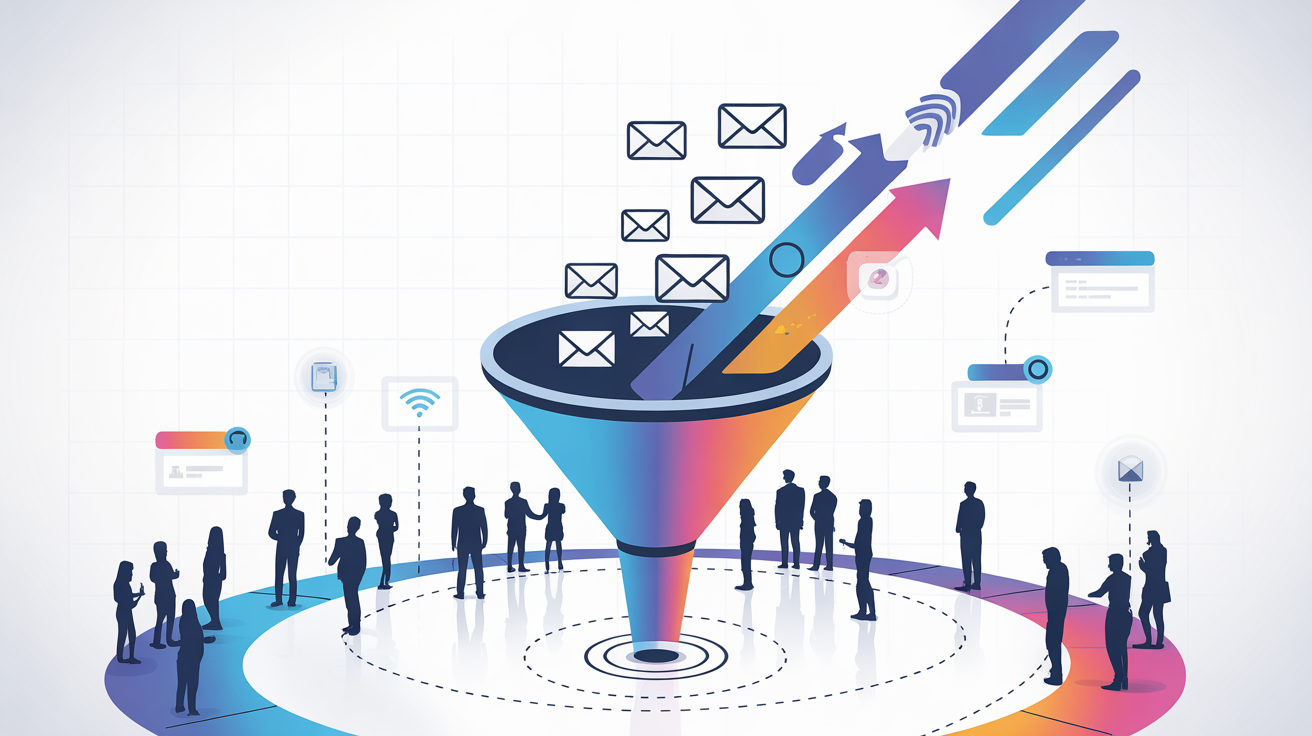
The funnel itself is dead simple: traffic source leads to opt-in page, opt-in page leads to thank-you page, thank-you page presents one small offer.
That small offer is called a tripwire, and it’s designed to turn a subscriber into a buyer immediately.
Usually it’s something low-cost, like $7 or $9, that complements the free lead magnet they just downloaded. That’s it. No complicated automation. No multi-step sequences.
No week long launches. Just a straightforward path from stranger to subscriber to potential customer.
You can repeat this process as many times as you want for different topics or niches, but each funnel stays confined to its single purpose. That’s what makes it fast.
That’s what makes it work. You’re not building an empire in one sitting. You’re building one functional piece that does one job well.
If you’ve been putting off list building because it felt too big or too overwhelming, this challenge changes everything. You’re not building the perfect system.
You’re building a working system in the next 60 minutes.
And once you see how simple it is to go from idea to live funnel, you’ll realize you’ve been overcomplicating this the whole time.
List building isn’t about having everything figured out. It’s about getting something live, testing it, and improving as you go. You don’t need more time. You don’t need more tools.
You just need to start.
Choosing a Quick-Win Lead Magnet
Your lead magnet doesn’t need to be impressive. It needs to be useful. The biggest mistake people make is trying to create something comprehensive.
They think bigger is better, so they plan a 50-page guide or a video series or some massive resource that takes weeks to produce. Then they never finish it.
A quick-win lead magnet is hyper-specific and solves one small problem. It’s the kind of thing someone can consume in five minutes and immediately apply.
A checklist. A one-page cheat sheet. A five-tip PDF. Something so focused that the outcome is practically guaranteed. Think about it from your subscriber’s perspective.
They don’t have time for a masterclass right now. They have a specific pain point, and they want a fast solution. Give them that, and they’ll trust you enough to stick around.
The beauty of a quick-win lead magnet is that it removes all the barriers between downloading and using.
Someone grabs your checklist, scans it in two minutes, and knows exactly what to do next. That instant clarity builds trust faster than any lengthy guide ever could.
Let’s look at some examples across different niches so you can see how this works in practice.
If you’re in online marketing, your lead magnet might be “5 Subject Lines That Get Opened Every Time” or “The 10-Minute Content Calendar Template.”
These aren’t teaching entire strategies. They’re solving one immediate problem: what to write or how to plan content fast.
Someone downloads that subject line list, uses one in their next email, sees it get opened, and immediately values what you shared.
For seniors, you might offer “3 Exercises You Can Do Sitting Down to Ease Joint Pain” or “How to Set Up Voice Commands on Your Phone in 5 Steps.”
Again, it’s not a full fitness program or a tech manual. It’s one tiny win that makes life easier right now.
A senior can read those phone instructions, follow them while holding their device, and feel accomplished in minutes.
In the survival niche, think “72-Hour Bug-Out Bag Checklist” or “5 Ways to Purify Water Without a Filter.”
Someone downloads that, uses it to pack their bag or bookmark it for an emergency, and feels more prepared immediately. That’s the quick win. They’re not reading theory.
They’re taking action. Notice how each of these promises a specific outcome. You’re not offering vague advice. You’re giving a tool or a list or a short guide that delivers
something concrete.
The format matters too. A checklist is perfect because it’s actionable. Someone can literally check things off as they go. A cheat sheet works because it’s visual and
scannable.
People can find what they need at a glance. A short PDF with clear steps gets consumed fast.
You want something people can finish in one sitting so they actually use it instead of saving it for later and forgetting about it.
Here’s the test: if you can’t describe your lead magnet in one sentence that includes the outcome, it’s probably too broad. “10 tips for better health” is vague.
“10 Foods That Lower Blood Pressure in 30 Days” is specific. One makes a promise you can measure. The other is just a topic.
You also want to make sure the problem you’re solving is something people are actively struggling with right now. Not something they might need someday.
Not something that’s nice to have. Something that’s causing frustration or confusion today.
If you’re targeting people who want to start a blog, they don’t need “The Complete Guide to Blogging Success.”
They need “How to Pick Your First Blog Topic in 10 Minutes” or “5 Free Tools Every New Blogger Needs.” That’s the immediate pain point.
That’s what’s stopping them from taking action today. Think about the questions people ask in Facebook groups, in blog comments, or in forums related to your niche.
Those questions reveal the real problems. “What should I write about?” “How do I get my first subscriber?” “What’s the easiest way to start?” Those are all quick-win
opportunities.
The beauty of a quick-win lead magnet is that it’s fast for you to create too. You’re not researching and writing for weeks.
You’re pulling from knowledge you already have and packaging it into something small and actionable. You can outline a checklist in 15 minutes.
You can write five tips in half an hour. You’re not trying to cover everything. You’re solving one thing well.
And here’s the bonus: when people get value from something small, they assume your bigger offers are even better.
That tiny PDF becomes proof that you know what you’re talking about. It builds trust fast, which is exactly what you need to grow a list.
There’s also a psychological element at play here. When someone downloads your lead magnet, uses it, and gets a result, they feel good about themselves.
They accomplished something. And they associate that feeling with you. You didn’t just give them information. You gave them a win.
That’s why quick-win lead magnets convert better than comprehensive guides. People want to feel capable and successful. A small, achievable action makes them feel that way.
A massive download makes them feel overwhelmed. So how do you decide which quick-win to offer? Start by listing out the three most common problems your audience faces.
Then ask yourself which one has the simplest, fastest solution. That’s your lead magnet. If you’re stuck between two ideas, pick the one that requires the least
explanation.
The easier it is for someone to understand what they’re getting and how to use it, the more opt-ins you’ll get. You’re not trying to teach everything you know in a lead magnet.
You’re trying to solve one problem so well that people want to see what else you’ve got. So pick one problem. One outcome. One small, useful thing you can deliver in the next hour.
That’s your lead magnet.
Fast Funnel Assets Checklist
You don’t need much to build a working funnel. You need exactly enough, and no more.
Most people get stuck because they think they need polished sales copy, professionally designed graphics, and a perfect email sequence before they can launch. They don’t.
They need a handful of simple pieces that do one job: get someone to opt in and see the tripwire offer. Here’s what you actually need in the next hour.
First, a title and promise for your lead magnet. This is one sentence that tells people exactly what they’re getting and what it does for them.
“The 5-Minute Morning Routine for More Energy” or “10 Budget Recipes That Don’t Taste Cheap.” Clear, specific, outcome-focused.
Write this down before you do anything else because everything else in your funnel builds from this promise. Your title has to pass the “so what” test.
If someone reads it and thinks “so what,” you haven’t made the outcome clear enough. But if they read it and immediately understand how it helps them, you’ve nailed it.
Next, you need three to five benefit bullets for your opt-in page. These aren’t feature lists. They’re the reasons someone cares.
Not “includes a checklist,” but “so you’ll know exactly what to pack without second guessing yourself.” Each bullet answers “what’s in it for me” from the subscriber’s perspective.
Think of these bullets as mini-promises. Each one should paint a picture of what life looks like after they use your lead magnet.
“You’ll stop wasting money on ingredients you never use” is better than “includes a shopping list.” One creates a vision of the outcome. The other just describes what’s
included.
Your bullets should also address different angles of the same problem.
If your lead magnet helps people save time, one bullet might focus on speed, another on simplicity, and another on results. You’re covering the main objections and desires all at once.
You also need one call-to-action line. This is the text on your button or the final instruction on your opt-in page. “Get the Checklist Now” or “Send Me the Cheat Sheet” works fine.
Don’t overthink it. Just tell them what to do next. The call to action should match your lead magnet format. If you’re offering a checklist, say “Get the Checklist.”
If it’s a guide, say “Get the Guide.” Keep it simple and direct. People should know exactly what happens when they click that button. Then you need a simple thank-you page blurb.
This is the message they see right after they opt in. It confirms they made the right choice and pivots them toward the tripwire offer.
Something like: “Your checklist is on the way to your inbox. While you’re here, I’ve got something that makes this even easier…” Then you introduce the tripwire.
This is one of the most overlooked parts of the funnel, but it’s critical. Your subscriber just said yes to you. They’re in a good mood. They’re open to seeing what else you have.
Don’t waste that moment with a boring “check your email” message. Use it to present your tripwire while they’re still engaged.
Your thank-you page should acknowledge the opt-in, deliver or confirm delivery of the lead magnet, and transition smoothly into the tripwire. You’re not being pushy.
You’re being helpful. “You just got the quick version. Here’s the complete version if you want to go deeper.” That’s the entire list. A title. A few bullets. A call to action. A thank-you blurb.
You can write all of this in 20 minutes if you stay focused. Here’s the mistake people make: they try to write full paragraphs of copy for every section. They agonize over every word.
They rewrite the headline ten times. That’s not what this challenge is about. You’re writing just enough to communicate value and move someone forward.
The title tells them what they’re getting. The bullets give them reasons to want it. The call to action tells them how to get it. The thank-you page transitions them to the next step.
That’s all you need for a funnel to function. If you want to speed this up even more, use a simple formula for your bullets.
Start with the outcome, then connect it to how the lead magnet delivers it.
“Discover the three ingredients you already have in your pantry, so you can skip the grocery store and still make dinner tonight.” Outcome plus method. Done.
You can also borrow language from the questions people ask. If someone posted in a Facebook group asking “How do I know what to pack for a weekend trip without overpacking?”
You can turn that into a bullet: “Know exactly what to pack for any trip, so you’ll stop overpacking and stressing about what you forgot.”
For your thank-you page, keep it short. Acknowledge they opted in, remind them why it was a good decision, and introduce the tripwire as the natural next step.
You’re not selling hard here. You’re just showing them something that complements what they already said yes to.
A lot of people stumble on the tripwire description because they think they need a full sales page. You don’t. You need a headline, a couple of sentences about what it is, and a price.
“For $7, you can grab the full 30 day plan that takes this checklist and turns it into a complete system. It’s ready to use right now.” That’s enough.
Your tripwire should feel like an obvious upgrade from the lead magnet. If the lead magnet is a checklist, the tripwire could be a full guide that explains each item.
If the lead magnet is five tips, the tripwire could be a 30-day plan that implements all five. The connection should be natural and clear. You’re not tricking anyone.
You’re offering something that genuinely makes the lead magnet more useful.
Someone downloads your free meal planning checklist, loves it, and thinks “I wish this came with actual recipes.” Boom. That’s your tripwire. The recipes they just wished for.
The key is to write everything in one sitting. Don’t write the title, walk away, come back later for the bullets, and save the thank-you page for tomorrow.
Sit down, knock it all out, and move on to building the actual funnel. Remember, this isn’t your forever funnel. This is your first funnel.
You can tweak the copy later once it’s live and you see what resonates. But you can’t tweak what doesn’t exist. Get these pieces written. Move fast.
The funnel can’t work without them, but it doesn’t need more than them either.
Using AI to Draft Copy in Minutes
You don’t have to write every word from scratch. You can use AI to get a first draft in minutes, then edit it to sound like you.
A lot of people resist this because they think AI copy sounds robotic or generic. It can, if you just copy and paste without editing.
But if you use AI as a drafting tool and then rewrite in your own voice, it saves you a ton of time. Here’s how to do it without getting stuck in prompt hell or ending up with useless output.
Start with a simple, clear prompt for your lead magnet promise. Tell the AI exactly what you’re creating and who it’s for.
“Write a one-sentence promise for a lead magnet that helps new bloggers pick their first topic in 10 minutes.” The AI gives you a starting point.
You read it, tweak it to match your tone, and move on. You’re not asking it to be perfect. You’re asking it to give you something to work with. The key is being specific in your prompt.
Don’t just say “write a headline.” Tell the AI what the lead magnet does, who it’s for, and what outcome it delivers. The more context you give, the better the output.
“Write a headline for a checklist that helps busy parents plan a week of dinners in 20 minutes without repeating meals” gets you much better results than “write a
headline about meal planning.”
For your opt-in page headline and bullets, use a prompt that includes the outcome and the audience.
“Write a headline and three benefit bullets for an opt-in page offering a checklist of 10 budget recipes for busy parents.”
The AI will give you options. Some will be too formal. Some will be too vague. Pick the one that’s closest, then rewrite it in your voice.
This is especially important if you’re targeting seniors or any audience that doesn’t respond well to hype or corporate language.
The AI might spit out something that sounds like a marketing agency wrote it. That’s fine. You’re going to make it sound like a real person.
Read the AI draft out loud. If it sounds stiff or weird, simplify it. Replace fancy words with everyday words. Break up long sentences. Add contractions. Make it conversational.
For example, if the AI gives you “Obtain the comprehensive guide to meal preparation,” you’d change it to “Get the complete guide to meal prep.”
If it says “Discover the optimal strategies for time management,” you’d rewrite it as “Find out how to save time without feeling rushed.”
The AI loves words like “optimal,” “leverage,” “streamline,” and “enhance.” You’re going to strip all that out and replace it with normal human language.
“Use this checklist to make dinner faster” beats “Leverage this resource to optimize your meal preparation timeline” every single time.
For the tripwire description, you want a short blurb that explains what the offer is and why it’s worth buying.
Prompt the AI with the details: “Write a short description for a $7 guide that expands a free checklist into a full 30 day meal plan for families on a budget.”
The AI gives you a paragraph. You trim it down, punch up the benefits, and make sure it connects to the lead magnet they just downloaded.
Don’t let the AI write long paragraphs for your tripwire. You want two or three sentences max.
Tell it what the offer includes, what problem it solves, and why someone should buy it now. That’s it. The key is to edit everything before you use it.
Don’t trust AI to capture your voice. It won’t. But it will give you a structure and some ideas you can shape into something that sounds like you.
Here’s a pattern that works well: ask the AI for options. “Give me five headline options for a lead magnet that teaches seniors how to use voice commands on their phone.”
Then pick the best one and revise it. This keeps you from staring at a blank page, but it also forces you to make decisions and put your own stamp on the copy.
You can also use AI to help you avoid writer’s block on the thank-you page.
“Write a short thank-you message for someone who just downloaded a checklist, and transition them to a $7 offer that complements it.” The AI gives you a framework.
You rewrite it to sound warm and natural instead of salesy. The AI might give you something like: “Congratulations on taking the first step toward better meal planning.
Your checklist has been sent to your inbox. To further enhance your experience, we’re offering an exclusive opportunity to access our comprehensive 30-day meal plan for only $7.”
You’d rewrite that as: “Your checklist is on the way. While you’re here, I put together something that might help even more.
It’s a full 30-day meal plan that builds on what’s in the checklist. Grab it for $7 if you want it.” See the difference?
Same information, but one sounds like a robot and the other sounds like a person talking to you. One warning: don’t let AI make your copy longer or more complicated.
It loves to add extra sentences and unnecessary details. Your job is to cut that out and keep everything tight and clear.
If you’re writing for an audience that’s skeptical of AI or prefers a more personal touch, this editing step is even more important. You want the efficiency of AI without the robotic tone.
That means rewriting every sentence until it sounds like something you’d actually say to someone. You can also use AI to test different angles.
Ask it for three different versions of the same bullet point, each emphasizing a different benefit. Then pick the one that resonates most with your audience and make it
sound like you.
Another trick is to give the AI examples of your own writing and ask it to match that style. “Here’s how I write. Now write three bullets in this same style.”
It won’t be perfect, but it’ll be closer to your voice than if you didn’t give it any direction. And if the AI gives you something that’s completely off, don’t waste time
trying to fix it.
Just prompt it again with more specific instructions or write it yourself. The goal is speed, not perfection. If rewriting the AI output takes longer than writing from scratch, skip the AI for that piece.
Use AI to draft. Then make it yours. That’s how you get copy done in minutes without sacrificing quality or authenticity. The AI handles the first pass so you’re not starting from zero.
You handle the voice and the polish so it actually connects with real people.
The 60-Minute Build Walkthrough
You’ve got one hour. Here’s how to spend it. This isn’t about perfection. It’s about momentum.
You’re going to move through four 15-minute blocks, and by the end, you’ll have a live funnel that’s ready to collect subscribers. Set a timer for each block.
When the timer goes off, you move to the next section whether you feel ready or not. That’s the whole point.
You’re training yourself to make decisions fast and keep moving forward instead of second-guessing every choice.
0 to 15 minutes: Decide your niche, audience, and one quick-win problem.
This is where most people waste time, so you’re going to make fast decisions. Pick a niche you already know something about. Don’t research. Don’t overthink.
You’re not committing to this forever. You’re building one funnel. Who’s your audience? Be specific.
Not “people who want to lose weight,” but “busy moms who want to meal prep without spending all Sunday in the kitchen.”
Not “marketers,” but “solo business owners who hate writing emails.” The more specific you are, the easier everything else gets.
You’ll know exactly what problem to solve and how to talk about it. What’s the one problem you’re solving? Write it down as a question your audience is asking.
“How do I plan a week of dinners in 20 minutes?” or “What do I say in my first email to new subscribers?” That’s your focus. Listen to how people actually phrase their problems.
Go to a Facebook group or a forum where your audience hangs out and read the questions they’re asking. Use their words, not marketing language.
If they say “I’m stuck figuring out what to post,” don’t translate that into “content strategy.” Keep it as “what to post.” Pick your lead magnet format.
Checklist, cheat sheet, or short tip list. Choose the one that fits the problem best and that you can create fastest. If the problem is “I don’t know what to pack,” a checklist works.
If the problem is “I forget the steps,” a cheat sheet works. If the problem is “I need ideas,” a tip list works. Match the format to what your audience actually needs.
Write down your lead magnet title using the formula from earlier. One sentence. Clear outcome. Don’t edit it to death. Just get something down that communicates what it is and what it does.
Set a timer. When 15 minutes is up, move on even if you’re not 100% sure. Done is better than perfect.
You should have three things written down at the end of this block: your specific audience, the problem you’re solving phrased as a question, and your lead magnet title.
That’s enough to keep going.
15 to 30 minutes: Outline and title your lead magnet, then draft the content or bullet outline. You already have your title from the last block.
Now you’re filling in what goes inside the lead magnet. If you’re creating a checklist, list out the items. Write them as action steps, not vague ideas.
“Pack two pairs of pants” is better than “clothing.” “Set phone alarm for 6 AM” is better than “wake up early.” If it’s a tip sheet, write the five tips as short bullet points.
Each tip should be one thing someone can do right now. “Use the ‘reply’ subject line when you don’t know what to write” is a complete tip. “Write better subject lines” is
not.
If it’s a cheat sheet, outline the key steps or categories. Think of it like a recipe card or a quick reference guide.
Someone should be able to glance at it and know exactly what to do next. Use AI if you want, but don’t let it slow you down.
Prompt it with your lead magnet title and ask for an outline. “Give me 10 checklist items for a lead magnet called ’72-Hour Bug-Out Bag Checklist.'”
Grab what’s useful, cut what isn’t, and keep moving. You can polish this later. Right now, you just need enough to deliver what you promised.
If your checklist has 10 items and three of them could be better, that’s fine. It’s still useful. It still solves the problem.
By the end of this block, you should have a titled lead magnet and a rough outline of what’s inside it. You’re not designing it. You’re not formatting it.
You’re just capturing the content in a simple list or outline format. If you finish early, use the extra time to write your three to five benefit bullets for the opt-in page.
You’ll need them in the next block anyway.
30 to 45 minutes: Build your opt-in and thank-you pages, then plug in your AI-drafted copy. Use whatever landing page tool you already have access to.
If you don’t have one, use a free option like Mailchimp’s landing page builder, ConvertKit’s landing page feature, or a simple WordPress plugin.
Don’t spend this time shopping for tools or watching tutorials. Pick one and go. Create your opt-in page first. Add your headline.
This is your lead magnet title rewritten as a headline. “Get the 72-Hour Bug-Out Bag Checklist” or “Grab the 10-Minute Dinner Planning Guide.”
Add your three to five benefit bullets. If you didn’t write these yet, do it now. Use the formula from earlier: outcome plus method.
“Know exactly what to pack, so you’re ready for any emergency without second-guessing yourself.” Add your call-to-action button. “Get the Checklist” or “Send Me the Guide.”
Make sure the button text matches what you’re offering. Connect your opt-in form to your email list. Test it with your own email address to make sure it works.
If the form doesn’t submit or the email doesn’t go through, fix it now. This is the most important part of your funnel. Nothing else matters if people can’t actually opt in.
Keep the design simple. One image if you want, but it’s not required. A stock photo of someone looking relieved or organized works fine.
Or skip the image entirely and just use clean text on a solid background. Don’t mess with fonts or colors for more than two minutes.
Now create your thank-you page. Add your confirmation message. “Your checklist is on the way to your inbox. Check your email in the next few minutes.”
Then pivot to your tripwire offer. “While you’re here, I’ve got something that makes this even easier.” Introduce the tripwire in two or three sentences.
What is it, what does it do, and how much does it cost. If you don’t have a tripwire ready, that’s okay. You can skip this part for now and just thank them for opting in.
Your funnel still works. You’re still collecting subscribers. You can add the tripwire later once you see people actually opting in.
If you do have a
tripwire, add a button that links to your checkout page. “Get the Full Guide for $7″ or “Add the 30-Day Plan for $9.”
Test the opt-in form again. Make sure the thank-you page loads after someone submits the form. Click all the links. Confirm everything connects properly.
At the end of this block, both pages should be live. They don’t have to be pretty. They have to work.
45 to 60 minutes: Set up a simple welcome email and tripwire promo, then test the whole funnel. Write one welcome email. This is the email they get immediately after
opting in.
Start with a subject line. “Your [lead magnet name] is here” works perfectly. In the email, deliver the lead magnet. Attach it as a PDF or link to a download page.
Thank them for subscribing. Tell them what to expect next. “You’ll hear from me a couple times a week with tips on [topic].” If you have a tripwire, mention it here too.
“P.S. If you want the complete system, grab it here for $7.” Link to your checkout page or back to the thank-you page where the offer lives. Keep this email short.
Three or four paragraphs max. You’re not teaching anything new. You’re just delivering what you promised and setting expectations.
If your email platform has automation, set this email to send automatically when someone joins your list. Most platforms call this a “welcome automation” or “autoresponder.”
It should trigger immediately when someone opts in. If you can’t figure out the automation in the next five minutes, don’t worry about it.
You can send this email manually to your first few subscribers and set up automation later. Now test the entire funnel from start to finish.
Use a different email address than the one you used earlier. Go to your opt-in page. Fill out the form. Submit it. Check that the thank-you page loads.
Check that the welcome email arrives in your inbox. Click the link to download the lead magnet. Make sure it works.
If you have a tripwire, click that link too and make sure it goes to the right place. If something breaks, fix it fast. Don’t redesign. Don’t add fancy features. Just make it work.
If the email doesn’t arrive, check your automation settings. If the download link is broken, re-upload the file and update the link.
At the end of 60 minutes, you have a live funnel. It might be rough. It might be basic. But it’s real, and it’s ready to collect subscribers. That’s the point. You didn’t spend weeks planning.
You spent one hour building. Now you can improve it while it’s live instead of waiting for perfect before you launch. Your funnel is done. Time to send traffic.
Launch and Micro-Traffic Ideas
You’ve got a funnel. Now you need people to see it. You don’t need a big launch or a huge ad budget. You need a few simple, no-excuse ways to send traffic to your opt-in page starting today.
The mistake most people make is waiting until they have the perfect traffic strategy figured out before they tell anyone about their lead magnet.
They research paid ads, study SEO, plan elaborate social media campaigns, and never actually send a single person to their opt-in page.
Meanwhile, there are a dozen ways to get traffic right now using platforms you’re already on and audiences you already have access to.
You just have to stop overthinking it and start sharing. Here are seven micro-traffic ideas you can execute in the next hour.
Post it on social media. Whatever platform you’re already on, make a post about your lead magnet. Tell people what it is, why it helps, and drop the link.
No fancy graphics required. Just a clear post that says, “I made this for you. Grab it here.” You don’t need a perfect caption. You don’t need a branded image.
You just need to tell people what they’re getting and where to get it. “I put together a quick checklist for anyone who struggles with meal planning. It’s free. Here’s the link.”
If you’re on Facebook, post it to your personal timeline and any relevant groups you’re part of. If you’re on Instagram, post it as a story and put the link in your bio.
If you’re on LinkedIn, share it with a short post about the problem it solves. Use whatever platform you’re most active on. The key is to frame it as helpful, not salesy.
You’re not pitching. You’re sharing something useful that people might want.
Add a P.S. to your existing emails. If you already have any kind of email list, even a small one, mention your new lead magnet in a P.S. at the end of your next email.
“P.S. I just put together a quick checklist for [problem]. Get it here if you need it.” You’re not sending a dedicated email about it.
You’re just dropping a casual mention at the end of whatever you were already planning to send. This works because your existing subscribers already know and trust you.
They’re the easiest people to convert. And if you don’t have an email list yet, skip this one and focus on the other tactics. You’re building your first list with this funnel.
Update your link in bio. If you’re on Instagram, TikTok, or any platform with a bio link, swap it out for your opt-in page. Make sure your bio copy mentions what people get when they click.
Instead of “Marketer | Content Creator | Coffee Lover,” try “Grab my free meal planning checklist.” People scroll past generic bios. They click on bios that promise something specific.
You can change this link anytime, so don’t stress about it being permanent.
Point it at your opt-in page for a week, see how many clicks you get, then decide if you want to leave it or swap it for something else.
Post in a relevant Facebook group. Find one group where your audience hangs out. Don’t spam. Share something helpful and mention your lead magnet as a resource.
“I made a checklist that might help with this. Here’s the link if you want it.” The best way to do this is to answer a question someone else asked.
If someone posts “I never know what to pack for trips,” you can reply with advice and then add, “I actually made a checklist for this if you want it. It’s free. [link]”
You’re contributing to the conversation first, then offering your lead magnet as an additional resource. Most groups allow this as long as you’re not just dropping links without adding value.
If you’re not sure about the group rules, message the admin and ask if it’s okay to share a free resource that’s relevant to the group.
Most admins will say yes as long as it’s genuinely helpful and not just self-promotion.
Send a DM to five people who might benefit. Think of five people you know who fit your audience. Message them directly.
“Hey, I just created this [lead magnet] and thought you might find it useful. Here’s the link.” Personal outreach works. This isn’t cold messaging strangers.
This is reaching out to people you already know who have the problem your lead magnet solves. A friend who’s always talking about meal planning stress.
A colleague who mentioned they’re struggling with email marketing. Someone in a Facebook group who asked a question your lead magnet answers. Make it personal.
Don’t copy and paste the same message to everyone. Reference why you thought of them specifically. “I saw your post about struggling with content ideas and thought this might help.”
People respond to personal messages way more than they respond to public posts.
And when someone gets value from your lead magnet, they’ll often share it with others who need it too.
Leave a comment on a relevant post. Find a blog post, forum thread, or social media discussion where people are asking about the problem your lead magnet solves.
Drop a helpful comment and mention your freebie if it fits naturally. On Reddit, people post questions all the time in niche subreddits.
On Quora, there are entire threads dedicated to specific problems. On YouTube, people leave comments asking for help. On blog posts, people ask follow-up questions in the comment section.
You can answer their question in your comment, then add, “I actually put together a free checklist for this if you want more detail. [link]” You’re helping first, promoting second.
Make sure your comment actually adds value. Don’t just drop a link. Answer the question, give useful advice, then offer your lead magnet as an additional resource for people who want to go deeper.
Add it to your email signature. If you send emails regularly, add a line to your signature with a link to your opt-in page. “P.S. Grab my free [lead magnet] here: [link].”
This is passive traffic. You’re not doing anything extra. You’re just adding one line to emails you’re already sending. Every email becomes a mini promotion for your lead magnet.
It works especially well if you email clients, colleagues, or other professionals who might benefit from your lead magnet or who might know someone who would.
None of these require money. None of them take more than a few minutes. And they all get your funnel in front of real people today. You’re not trying to go viral.
You’re trying to get your first 10 subscribers, then your first 50, then your first 100. Micro-traffic builds momentum. One post leads to one subscriber.
That subscriber shares it with a friend. That friend opts in and buys the tripwire. It starts small, but it starts now. You don’t need permission or a perfect strategy.
You just need to show up and share what you built. Pick two or three of these ideas and do them today.
Then do them again tomorrow. Post about your lead magnet once a day for a week. Send five DMs. Comment on three threads. Add it to your email signature and your bio link.
Consistency beats perfection every time. You don’t need one big traffic source. You need a handful of small traffic sources that you tap into regularly.
And here’s what happens when you actually do this: you start getting subscribers. Real people opt in. Some of them buy your tripwire. You see proof that your funnel works.
That proof gives you momentum to keep going and to build your next funnel. Traffic isn’t some mystery you have to solve before you can grow a list.
Traffic is just telling people about something useful you made. Start doing that today.
Duplicating the Process for a Massive List
Once your first funnel is live, you can repeat this process as many times as you want. You’re not stuck with one lead magnet or one topic.
You can build a new funnel every week if you want to. Each one targets a different problem, attracts a different segment of your audience, and grows your list faster.
Think of it like this: you’ve just proven you can build a working funnel in one hour. Now you can do it again for a related topic, a different niche, or a new angle on the same audience.
Let’s say your first funnel was a meal planning checklist for busy parents. Your next funnel could be a grocery shopping shortcut guide. Same audience, different pain point.
Or you could go after a slightly different group, like parents with picky eaters, and create a lead magnet specifically for them.
Each funnel operates independently, but they all feed into the same email list. You’re not starting over every time. You’re adding more entry points for people to find you and opt in.
And here’s the thing: different people respond to different lead magnets. Someone might scroll past your meal planning checklist because that’s not their biggest struggle right now.
Then they see your grocery shopping guide and think, “Yes, that’s exactly what I need.” Now you’ve got a subscriber you wouldn’t have captured otherwise.
The more funnels you build, the more opportunities you create for people to raise their hand and join your list.
You’re covering more problems, reaching more people, and growing faster than you would with just one lead magnet sitting there.
You can also test different angles on the same problem.
Maybe you have one lead magnet for seniors who want to learn their smartphone and another for seniors who want to video call their grandkids.
Both solve tech
problems, but they appeal to different motivations. Some people want general knowledge. Some people want a specific outcome. You can serve both.
This is how you grow a massive list without needing massive traffic to one funnel.
Instead of trying to send 10,000 people to one opt-in page, you send 1,000 people to ten different opt-in pages. The result is the same, but the approach is way more sustainable.
You can also expand your funnels over time. Once you see which lead magnets get the most opt-ins or which tripwires convert best, you can build a full nurture sequence for those subscribers.
Send them a series of emails that deepens the relationship and introduces bigger offers.
Let’s say your meal planning checklist is getting tons of opt-ins and your $7 recipe guide is selling well.
You could create a five-email sequence that teaches people how to use the checklist, shares tips for faster meal prep, and pitches a $27 course on meal planning for the whole month.
Now you’ve turned a simple funnel into a revenue stream. But you don’t have to do that right away. You can keep it simple and just keep building new funnels.
Each one gives you more traffic, more subscribers, and more opportunities to make sales. This is also how you future-proof your list building.
If one traffic source dries up or one lead magnet stops converting, you’ve got nine others still running. You’re not dependent on a single funnel performing perfectly.
You’ve got multiple assets working for you at the same time. And as you build more funnels, you’ll get faster at it. Your first one might take the full hour.
Your second one might take 45 minutes because you already know the process.
By your fifth funnel, you could probably knock it out in 30 minutes because you’ve done it enough times that it’s second nature. You’ll also start noticing patterns.
You’ll see which types of lead magnets your audience responds to most. You’ll figure out which benefit bullets get the most clicks. You’ll learn which tripwire price point converts best.
All of that data makes your future funnels even more effective. Here’s a simple plan for duplicating this process: build one new funnel per week for the next month.
That’s four funnels in four weeks. Each one targeting a different problem or a different segment of your audience. At the end of the month, you’ll have four entry points into your list.
You’ll have four tripwire offers generating revenue. And you’ll have proven to yourself that you can build list-building assets fast instead of spending months on one perfect funnel.
You can also repurpose content across funnels. If you write a blog post about meal planning, you can pull sections from it to create a lead magnet.
If you record a video answering a common question, you can turn the key points into a checklist. You’re not creating everything from scratch every time.
You’re repackaging knowledge you already have. And once you’ve built a handful of funnels, you can start seeing opportunities to plug these simple systems into more advanced strategies.
Maybe you add a webinar funnel for your most engaged subscribers. Maybe you create a membership site and funnel people into it from your tripwires.
Maybe you build a full product suite and use these funnels as feeders. The point is, you’re not locked into one approach. You’re building a system that scales.
Each funnel you create gives you more data, more subscribers, and more momentum. Start with one. Prove it works. Then build another.
That’s how you go from zero to a list that actually makes you money. You’re not waiting for the perfect funnel or the perfect traffic strategy.
You’re building multiple funnels, testing multiple traffic sources, and growing your list from multiple angles.
That’s how you build a massive list without needing a massive budget or a massive following. Every funnel you add is another chance for someone to discover you.
Another opportunity to turn a stranger into a subscriber and a subscriber into a buyer. And the best part? You already know how to do this. You just proved it with your first funnel.
Now do it again. You just built a funnel in one hour. That’s more than most people do in a month.
The difference between someone with a growing list and someone who’s still planning isn’t talent or budget. It’s action.
You took the constraints, followed the process, and created something that works. Now you’ve got a live funnel collecting subscribers.
You’ve got a system you can repeat anytime you want. And you’ve proved to yourself that list building doesn’t have to be slow or complicated. Keep this momentum going.
Build another funnel next week. Test new lead magnets. Try different traffic sources. The more you do this, the faster you’ll get and the better your results will be.
Don’t wait until this funnel is perfect before you start the next one. It’ll never be perfect. But it can be profitable while you’re improving it.
That’s the whole point of building fast and launching fast. You learn more from a live funnel than you ever will from planning. Your list is growing. Your business is moving forward.
And you didn’t need months to make it happen. You needed one hour and a commitment to getting it done. Some of your funnels will work better than others. That’s fine.
You’ll figure out what resonates with your audience by watching what they actually do, not by guessing what they might want.
Every funnel you build teaches you something that makes the next one better. So take what you learned here and use it. Build your second funnel this week. Then your third.
Then your fourth. Before you know it, you’ll have a list that’s actually big enough to build a business around. Stop planning. Start building. Your next subscriber is waiting